

Square Enix Digital Sales are now central to how the publisher reaches players, plans releases, and manages its back catalog. The research notes say Square Enix sold 26.8 million games in its last fiscal year, with 21.7 million of those sold as digital copies, or 81.3% of total unit sales. That split does not make physical games vanish overnight, but it does show where the company’s business is already leaning. For players, the shift changes more than the box on a shelf. It affects launch timing, storefront dependence, discounts, patch delivery, platform access, and the long-term question of whether a purchased game remains easy to play years later.
The move also sits beside a broader company reset. Square Enix’s “Square Enix Reboots and Awakens” plan covers the fiscal years ending March 2025 through March 2027 and is framed around fewer, higher-quality releases rather than chasing volume. The research also points to a 13% year-over-year decline in net sales while operating income rose 39%, suggesting the publisher is trying to get more efficient as its distribution model changes. That is not automatically good or bad for players. It depends on whether digital-first planning leads to better access and steadier support, or whether it narrows ownership and preservation options.
Why Square Enix Digital Sales Matter Now
The Numbers Point To A New Default
Digital has been growing for years across console and PC gaming, but Square Enix’s reported 81.3% digital unit share puts the change in practical terms. A publisher with major franchises no longer needs to treat digital as a secondary channel behind retail discs. Digital storefronts can carry launches, discounts, updates, bundles, expansions, and older catalog sales without waiting on manufacturing or store shelf space.
That is useful for players who buy on PC, handhelds, and multiple consoles. Digital storefronts make it easier to grab older titles during sales, pre-load new releases where supported, and keep libraries available across hardware upgrades inside the same platform account system. The tradeoff is control. A physical copy can be lent, resold, collected, or kept as an object. A digital purchase is usually tied to account rules, storefront access, licensing terms, and platform support.
What Square Enix Digital Sales Say About Ownership
The ownership question is where Square Enix Digital Sales become a player issue rather than just a financial one. If most copies are digital, then access depends heavily on storefront stability, publisher support, and platform policies. That is manageable for current blockbusters, but it gets harder with older games, online-only elements, expiring licenses, and service-based releases.
The research says Square Enix has acknowledged challenges around maintaining access to older titles and has discussed creating “pathways” for fans to enjoy games after service ends, though details remain limited. That uncertainty matters. Players do not need every online game to live forever, but they do need clearer expectations before spending money on releases with online hooks, DLC, or account-based features. For Square Enix Digital Sales to feel consumer-friendly, the publisher will need to communicate what happens when a game’s active life winds down.
Multiplatform Releases Change The Distribution Math
Digital Makes Platform Expansion Easier
Square Enix’s digital push is tied to a wider multiplatform strategy. The research notes that CEO Takashi Kiryu emphasized reaching broader audiences, with specific attention on Nintendo Switch 2. That direction makes sense if the company wants major games to reach more players without being pinned too tightly to one console ecosystem.
Digital distribution supports that goal because release planning can focus on storefront readiness, update pipelines, compatibility work, and regional availability rather than only physical retail logistics. It can also help catalog games stay visible on newer hardware if the publisher keeps them updated and listed. For PC players, the same question applies across storefronts: where a game launches, whether it gets feature parity, and whether updates arrive in step with console versions.
Final Fantasy Shows The Platform Pressure
One current example is Final Fantasy 7 Remake Intergrade. TechRadar reported that Square Enix confirmed a new update for the PS5 and PC versions will arrive alongside the Nintendo Switch 2 and Xbox versions, according to TechRadar confirmed. That is the kind of platform coordination players will expect more often if Square Enix commits to wider launches.
Square Enix Digital Sales also make timing more sensitive. If a game appears on one platform first and comes to others later, players notice. If patches arrive unevenly, communities compare notes fast. If a digital version is missing features or carries rough performance on a specific platform, the lack of a boxed retail barrier does not soften the reaction. A multiplatform plan raises the ceiling for audience size, but it also raises the standard for launch consistency.
AI, QA, And The Risk Of Faster Pipelines
Efficiency Is Not The Same As Trust
Square Enix is also looking at development efficiency. GameSpot reported that the company wants generative AI to automate 70% of game quality assurance and debugging processes by 2027, according to GameSpot reported. For a publisher trying to release across more platforms, the appeal is obvious: more builds, more storefronts, more hardware targets, and more update branches all increase testing pressure.
The player concern is just as obvious. QA automation can help catch repeatable bugs, but it cannot replace trust built through stable launches, clear patch notes, and fast responses when something breaks. A digital-first release can be patched after launch, but that does not excuse shipping games in a rough state. Players have become used to large day-one updates, yet patience is not unlimited, especially for full-price releases.
What Players Should Watch For
The key signs will be practical rather than promotional. Are PC and console updates arriving close together? Are known issues documented? Are save-transfer paths explained when games move to new hardware? Are older digital releases kept compatible where possible? Are online features clearly labeled before purchase?
- Check platform availability before buying, especially if friends are split across console and PC.
- Read patch notes after launch instead of assuming a digital release is already fixed.
- Watch for preservation statements on online-heavy games before investing in DLC.
- Compare storefront versions if cloud saves, controller support, or handheld play matter.
Looking for more insight where gaming distribution is evolving? Visit GameCloud Network for related coverage and updates on how digital storefronts and cloud access are reshaping players’ libraries.
What This Means For Physical Games
Retail Copies Become More Selective
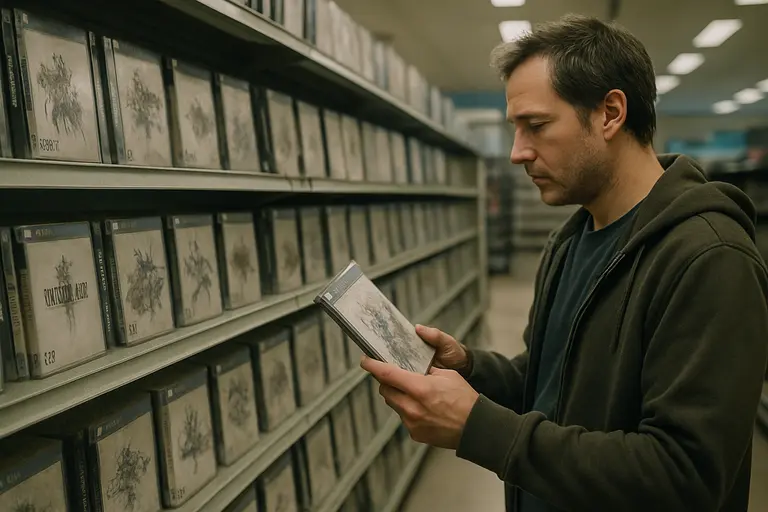
Square Enix is not reported here as ending physical games, and the research does not support that claim. The safer read is that physical releases may become more selective. Collector editions, major franchise launches, and certain console markets can still justify boxed products. Smaller catalog releases, late ports, or niche titles may lean harder on digital storefronts if most buyers are already choosing downloads.
That changes buying habits for collectors. A disc or cartridge may become less of a default option and more of a deliberate purchase. Players who care about preservation, resale, lending, or display value may need to buy earlier instead of waiting for deep discounts. At the same time, digital buyers may gain from more frequent sales and easier access to older releases, provided the storefront listings remain active.
Preservation Needs Clearer Promises
The hard part is game preservation. Digital distribution can keep a game available without producing new discs, but it can also make access fragile if listings are removed or servers shut down. Square Enix’s stated intent to create post-service “pathways” sounds positive, but without specifics it is not a guarantee. Players should treat that as a direction to watch, not a promise that every game will remain playable forever.
For PC and gaming hardware buyers, this also affects setup choices. A digital-heavy library increases the value of storage planning, download bandwidth, backup habits where allowed, and platform account security. It does not require panic buying SSDs or abandoning physical media, but it does make library management part of the gaming experience.
What Square Enix Digital Sales Mean For Players
Square Enix Digital Sales point toward a future where the publisher thinks less like a boxed-game company and more like a platform-wide content operator. The upside is broader access, easier catalog availability, coordinated updates, and potentially stronger support for simultaneous or near-simultaneous multiplatform releases. The downside is more dependence on accounts, storefronts, patches, and publisher decisions after launch.
The most player-friendly version of this shift would be simple: clear platform plans, honest launch communication, strong QA, fair preservation policies, and no confusion around what buyers keep when a service ends. The least player-friendly version would use digital convenience to blur ownership, delay fixes, or make older games harder to access.
Square Enix has the franchises and catalog depth to benefit from digital distribution, but players should judge the strategy by outcomes rather than slogans. If games arrive on more platforms in better shape and remain accessible for longer, the shift can work well. If digital sales growth mainly means less ownership clarity, then the community will push back. The next few release cycles will show whether the company can turn its digital-first business plan into a better experience for the people buying the games.