

AMD FSR 4.1 matters because it changes the upgrade math for players still using Radeon RX 6000-series graphics cards. On October 20, 2026, AMD released driver version 26.10.1 and expanded FSR Upscaling 4.1 support to Radeon RX 6000-series GPUs, alongside Ryzen AI Max, Ryzen AI 9, and Z2 handheld SoCs, according to AMD’s release notes. That is a real opening for older hardware, not because it turns a 2020-era card into a new flagship, but because it gives more players access to newer upscaling and image-quality work without replacing the GPU first.
For PC gamers, that distinction is useful. A graphics card upgrade is still the cleanest route to higher settings, stronger ray tracing, and better high-resolution headroom. Yet many players are not shopping for a new card every two years, especially with GPU pricing and memory costs making midrange decisions harder. If software support can stretch a working RX 6000 build for another game cycle, that has practical value. Our related site GameCloud Network offers play-side coverage across PC, console, and cloud gaming, examining how platform changes directly impact player experiences rather than just spec statistics.
Why AMD FSR 4.1 Matters For Older Radeon PCs
AMD FSR 4.1 On RX 6000 Cards
The headline change is Radeon RX 6000 support. Those cards are based on RDNA 2 and first appeared in 2020, so they sit in a large installed base of still-capable gaming PCs. Many owners are not CPU-limited, storage-limited, or display-limited enough to justify a full rebuild. Their problem is simpler: newer games keep pushing GPU load upward, and native rendering at higher resolutions can be hard to sustain.
The key change with AMD FSR 4.1 is that owners of those RX 6000 cards can now access the newer upscaling path that had previously been tied to newer Radeon hardware. The research notes say the reworked model uses INT8 precision shaders so RDNA 2 GPUs can run it, with lower performance than RDNA 4 hardware. That caveat matters. This is not a free flagship-class upgrade, and buyers should not expect every RX 6600, RX 6700 XT, or RX 6800 XT system to behave like a new RX 9000-series card. The gain is access: better tools are reaching hardware many players already own.
Why This Helps Real Gaming Setups
Upscaling is most useful when the player has a clear display target. A 1080p gamer may use it to keep settings higher in heavier titles. A 1440p gamer may use it to avoid dropping texture, shadow, or effects settings too aggressively. A 4K TV user with an older Radeon card may use it to make big-screen play more practical, though expectations need to stay tied to the actual GPU and game.
That is where this release differs from a normal driver note. It gives older cards a better chance at playable settings without forcing the owner to cut the rest of the PC budget. A player weighing a GPU swap can now test supported games first, then decide whether the card is truly done. If you are weighing software life extension against a replacement card, our Radeon upgrade-timing piece is a useful companion.
What Changed In The FSR 4.1 Release
Driver 26.10.1 Is The Key Date
AMD’s October 20, 2026 driver release is the anchor point. The company’s announcement says the update expands support to Radeon RX 6000-series graphics cards and selected Ryzen AI and handheld chips. That matters because support is not just a marketing phrase; players need the right driver, compatible hardware, and game-side support for the upscaler to matter in actual play.
Tom’s Hardware reported that the new release brings the newer upscaling tech to Radeon RX 6000 GPUs, Xbox Series X and S, Ryzen AI Max, Ryzen AI 9, and Z2 SoCs, while noting a small performance cost on older hardware in its coverage. The safest read for buyers is that the PC driver is already the actionable piece for Radeon owners, while platform and game support still decide what players see in menus.
Image Quality Matters As Much As Frame Rate
FSR has often been discussed as a frame-rate feature, but image quality is just as relevant. A higher FPS number is less useful if the image is smeared, unstable, or distracting in motion. The research notes point to improved fidelity versus older FSR paths, which is the reason this release is more interesting than a simple compatibility bump.
For older GPUs, visual stability can decide whether a setting feels acceptable. If a player can use an upscaling mode that keeps fine detail cleaner while reducing the internal render burden, the experience can feel better even before raw frame-rate gains are considered. That is especially useful in slower single-player games, racing titles, third-person action games, and handheld play, where image breakup can be more noticeable than a small FPS swing.
Where AMD FSR 4.1 Fits Beyond Desktop PCs
Handhelds And Laptop Chips Benefit From Headroom
FSR support on lower-power hardware is not just a side note. Handheld gaming PCs and thin laptops have tighter thermal and power limits than a desktop tower. A desktop RX 6800 XT has room for a large cooler and a higher sustained power budget. A Z2-based handheld does not. In that kind of device, reducing the rendering load while preserving readable image quality can be the difference between acceptable and frustrating settings.
AMD’s supported-device list in the research also includes Ryzen AI Max, Ryzen AI 9, and Z2-family chips. That gives the update a broader gaming angle: the same upscaling direction is moving across desktops, laptops, and portable systems. Players still need game support, driver support, and realistic settings, but the point is clear. AMD is not treating newer upscaling as a feature only for the newest desktop cards.
Xbox Support Depends On Game And Platform Rollout
The console piece needs careful wording. The research notes list Xbox Series X|S in the support expansion, while also saying the rollout was described as coming soon for Xbox Series systems. That means PC owners with the right Radeon hardware have the clearest immediate path through driver 26.10.1, while console results depend on how and when games expose the feature.
That distinction is normal for game-platform features. A graphics option can exist at the SDK or platform level before every player sees a menu toggle. For players, the practical question is not whether the feature exists in an announcement. It is whether a specific game supports it well, whether it improves the target mode, and whether it introduces any tradeoff the player can actually notice.
Buyer Advice For Older Radeon Owners
Do Not Upgrade Until You Test Your Games
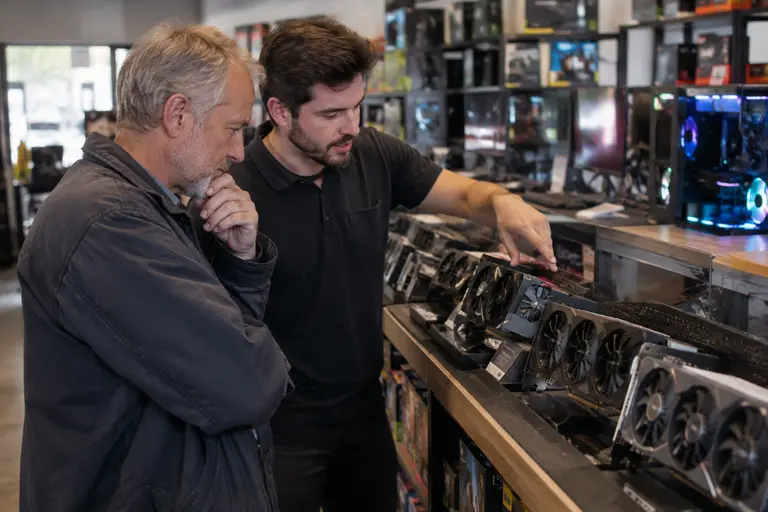
If you own an RX 6000-series card, the sensible move is to test before buying. Install the supported driver, check the games you actually play, and compare native rendering against the available FSR options. Look for motion clarity, shimmering, fine-detail stability, input feel, and frame pacing. A benchmark average can miss problems that show up in camera pans or heavy combat.
Players with high-refresh 1080p monitors may find that the existing GPU is still fine. Players on 1440p displays may get the most practical benefit, since upscaling can reduce render load without forcing a full drop to low settings. Players trying to drive 4K on older Radeon hardware should be more cautious. FSR can help, but it does not erase VRAM limits, ray-tracing cost, or the base performance gap between old and new GPUs.
- Update to the driver that supports the feature before judging the card.
- Test the games you play most, not just the heaviest title in your library.
- Compare motion quality as well as frame-rate readouts.
- Use upscaling as a reason to delay an upgrade only if the result feels good to you.
Where The Tradeoffs Still Sit
Older hardware support always has limits. The research notes indicate that FSR 4.1 can run on RX 6000-series hardware, but with lower performance than newer RDNA 4 parts. That is expected. Newer GPUs still have advantages in raw throughput, ray tracing, media features, and platform headroom. Software can extend the life of a card, but it cannot rewrite the silicon.
The better way to view the release is as a pressure valve. It gives players more time and more choice. If the games you play look better or run more comfortably, a GPU upgrade can wait. If your card still misses your target after testing, the update at least gives you clearer evidence before spending money.
What AMD FSR 4.1 Means For Older Hardware
AMD FSR 4.1 gives older hardware a more credible role in late-2026 gaming. It does not remove the need for new GPUs, and it should not be sold as a guaranteed fix for every demanding game. Its value is more grounded: Radeon RX 6000 owners, selected Ryzen AI laptop users, and handheld players get broader access to newer upscaling work that may improve the balance between image quality and performance.
For AMD, the move also sends a useful signal. Keeping better visual features locked to the newest GPU generation can push upgrades, but it can also frustrate loyal owners. Extending support back to RDNA 2 makes the Radeon ecosystem feel less disposable. For players, the win is practical. Before replacing a still-working card, test the new driver, check the games that matter to you, and let the actual experience decide the upgrade plan.