
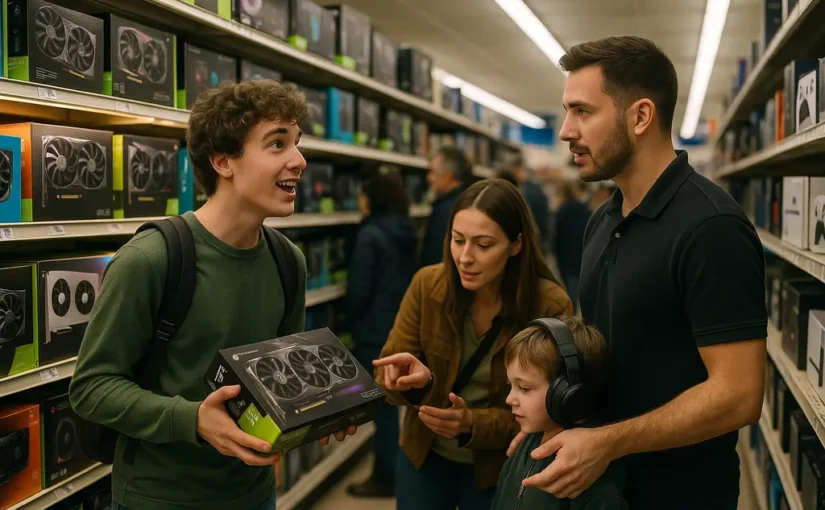
Gaming Hardware Prices surged by 16% in 2026, according to the research notes, and the pressure is now hitting the parts of gaming that players usually treat as separate purchases: consoles, GPUs, memory, storage, accessories, and even software. This is not a normal premium-launch cycle where one new graphics card looks expensive for a few months. The reported increase is tied to a wider component squeeze, with artificial intelligence infrastructure competing for memory and storage supply that also feeds gaming PCs and consoles.
For gamers, the key point is simple: a price rise in one category can change the whole upgrade plan. A console buyer may wait longer. A PC builder may cut storage or delay a GPU. A parent buying a first gaming setup may find that the old budget no longer covers the same hardware. The 16% figure should not be read as every mouse, SSD, console, and graphics card moving by the same amount, but it does capture the direction of the market. Gaming is getting more expensive before a single game is even purchased.
Why Gaming Hardware Prices Jumped In 2026
Gaming Hardware Prices And AI Memory Demand
The strongest pressure point is memory. AI data centers need huge quantities of memory and storage hardware, and that demand is now competing with consumer electronics supply. The Guardian reported that AI demand has driven a surge in memory and storage component costs across the electronics industry. For PC and console buyers, that matters because DRAM, NAND, and other memory-related components are not optional extras. They sit inside the hardware players actually buy.
That is why this price cycle feels different from a normal GPU launch spike. Memory is inside system RAM, SSDs, consoles, graphics cards, handhelds, and plenty of accessories. If the same supply pool is being pulled toward AI servers, gaming hardware makers have less room to keep costs steady. Research notes also say manufacturers are looking at production tweaks and alternative suppliers, but those moves do not instantly create new memory supply.
Why Memory Hits Consoles And PCs
Console buyers are feeling the same pressure as PC builders. The research notes cite Sony raising the PlayStation 5 price by $100 in March 2026, with rising memory chip costs, AI demand, and geopolitical factors all part of the explanation. A console is usually sold as the simpler choice: one box, one price, no parts list. A sharp price increase weakens that advantage for players who were waiting for a cheaper entry point.
PC builders get hit in a more scattered way. RAM and SSD prices affect the base platform. Graphics cards bring their own memory costs. A more expensive GPU can also force changes to the power supply, case airflow, monitor target, or CPU pairing. For PC builders, Gaming Hardware Prices now act less like a single shopping line and more like a chain reaction across the entire setup.
How Gaming Hardware Prices Hit Different Players
Console Buyers Face A Higher Entry Cost
A $100 console increase changes the math for families, students, and casual players who were already weighing a new system against rent, bills, subscriptions, and game prices. It can also make the older console, a used unit, or a cloud gaming option look more attractive. That does not mean console gaming stops being good value for every buyer, but it does mean the gap between a console setup and an entry PC can shift in unexpected ways.
The practical issue with Gaming Hardware Prices is timing. Players who wait for a sale may avoid the first wave of higher pricing, but they also risk seeing old inventory dry up. Players who buy immediately may avoid later increases, but they could still pay more than they planned. That leaves many buyers in a less comfortable middle ground: watch prices, know the target, and avoid panic buying.
PC Builders Lose Room In The Parts List
PC gaming is where the 2026 surge becomes most visible because every part can be swapped, downgraded, or delayed. A player planning a midrange build may start with a reasonable GPU target, then discover that RAM, SSD, and board pricing have eaten into the monitor or case budget. That is how a price rise becomes a setup problem rather than a single component problem.
There is also a risk of cutting the wrong corners. A cheaper power supply, cramped case, or tiny SSD can make a build feel worse for years. If a GPU tier is now out of reach, it may be smarter to lower the graphics target than to weaken the platform around it. We covered similar buyer pressure in a related 2026 hardware buying plan, where upgrade timing matters as much as the spec sheet.
The Software And Accessory Spillover
AI Features Are Not Free For Buyers
The price issue is not limited to physical hardware. The research notes also point to software and accessory pressure, with computer software and accessory prices up more than 17% over the past year. The Washington Post reported that computer software prices jumped by a record amount over the past year, with AI features appearing in more products. That matters for gamers because a modern setup is rarely just a console or tower. It can include launchers, utilities, capture tools, headset software, controllers, keyboards, cloud saves, and subscription services.
Not every AI-branded feature is useless, and not every software increase is tied only to AI. Still, players should be careful about paying more for tools they do not need. A gaming mouse does not become a better buy just because its software adds a new assistant panel. A headset app does not deserve a higher effective cost unless the core audio, comfort, and support still make sense.
Accessories Can Break A Budget Quietly
Accessories are often where budgets drift. A buyer may accept a higher console price, then add a second controller, headset, charging dock, storage expansion, and a couple of games. PC players do the same with fans, cables, desks, mouse pads, webcams, and capture gear. None of those extras has to be wasteful, but they should be chosen after the core gaming target is clear.
If a player is spending more time deciding what to play than deciding what to buy, a related site from the same network, like Mostplays, can help keep the game side in focus while hardware budgets get tighter. That matters because the best purchase is not always the newest device. It’s about having the setup that supports the games a person will actually play.
Smarter Buying Moves During The Surge
Keep The Display Target Honest
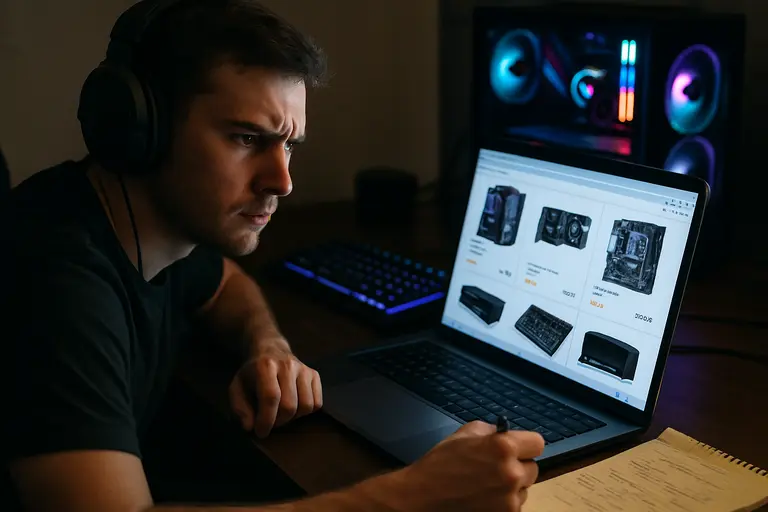
The easiest way to overspend in 2026 is to shop hardware without a clear display target. A 1080p player does not need to price a build like a 4K player. A competitive esports setup has different needs than a couch-based console setup. A handheld buyer should care about storage and battery habits more than desktop GPU tiers. Matching the hardware to the real use case is the cleanest way to fight a market-wide price increase.
These steps can help keep the budget from drifting:
- Set a hard ceiling before checking GPU, console, or prebuilt deals.
- Prioritize the display target: 1080p, 1440p, 4K, handheld, or TV gaming.
- Do not shrink storage below what the game library needs.
- Keep the power supply, case airflow, and warranty sensible on PC builds.
- Compare total setup cost, not just the headline price of one device.
Do Not Gut The Support Parts
A balanced PC can age better than a build with one expensive part and several weak support choices. If memory and GPU pricing force a cut, the safer move may be stepping down one graphics tier while keeping reliable storage, cooling, and power delivery. That does not promise better frame rates. It simply lowers the chance that the system becomes noisy, cramped, or annoying to upgrade later.
Console buyers have their own version of the same rule. A cheaper bundle is not always better if it includes extras the player will not use. A higher-priced console may still make sense if it avoids a rushed PC build with compromised parts. The right answer depends on the games, the screen, the budget, and how long the buyer plans to keep the system.
What The 2026 Surge Means For Gamers
Budget Gaming Is Still Possible, Just Tighter
Gaming Hardware Prices may cool if memory supply catches up or AI demand slows, but buyers should not plan around a price drop that has not happened. The safer approach is to treat 2026 as a year for sharper priorities. Buy the hardware that fits the games, skip features that do not change the experience, and avoid turning a single price increase into a full setup mistake.
The 16% surge does not end budget gaming, but it does change the definition of a smart buy. Used hardware, older consoles, lower display targets, storage discipline, and delayed GPU upgrades all become more reasonable choices. Gamers still have options. They just need a plan that respects the new cost of memory, the pull of AI infrastructure, and the fact that a good setup is measured by how well it serves real play, not by how new every component looks on a receipt.