
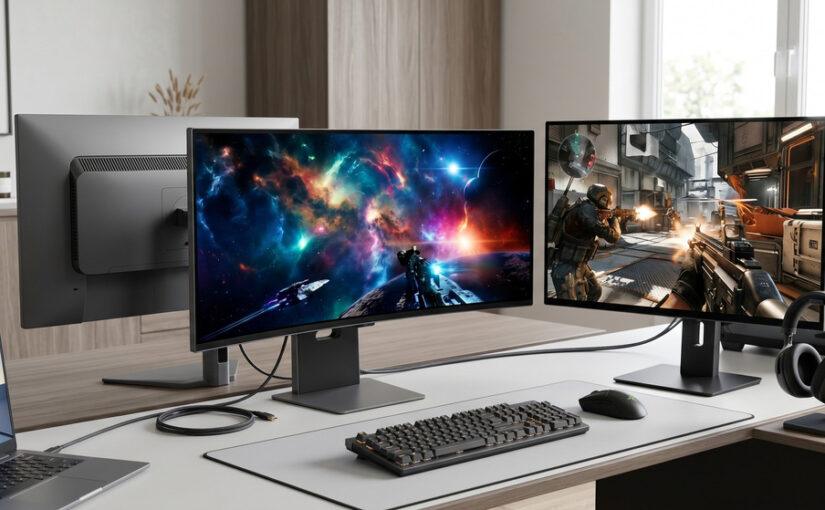
The June 2026 Computex trade show delivered a massive shift for display hardware. Samsung Display officially rolled out the Penta Tandem QD-OLED structure for consumer monitors. This five-layer emission stack fixes the burn-in problems associated with older panel generations. Buyers waiting for a safe high-end monitor purchase finally have a clear signal to buy.
Panel Architecture: Five-Layer Emission, Reduced Heat, and Quantum Dot Optimization
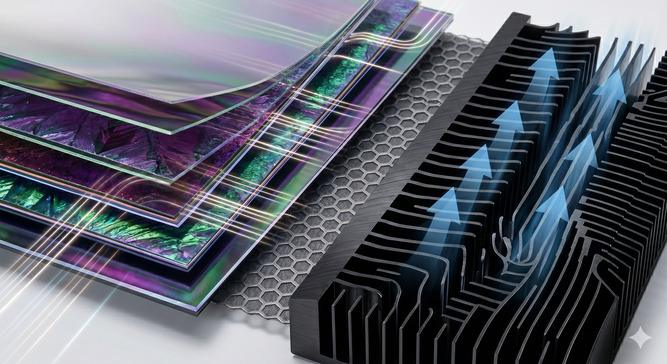
A standard OLED relies on single emission layers that degrade rapidly under heavy voltage. The new Penta Tandem approach stacks five separate light-emitting organic layers. This structural change distributes the electrical load evenly across multiple compounds. Lowering the per-layer strain directly prevents the heat buildup responsible for permanent pixel damage.
The monitor can sustain higher brightness outputs for hours without risking degradation. We see this implemented perfectly in models like the Samsung Odyssey G80SH. Brands are utilizing these panels to push the boundaries of display endurance. Reviewers at TFTCentral’s Computex hardware coverage agree that this marks a permanent shift in manufacturing.
Luminous Efficiency: HDR Performance, Nits Output, and Peak Sustained Brightness

Displays in this new generation hit peak brightness numbers previously reserved for high-end Mini-LEDs. The Computex prototype demonstrations showcased tandem OLED panels hitting 4500 nits. Consumer retail models cap at a more reasonable 1000 nits for DisplayHDR True Black 500 certification. Achieving this without aggressive auto-dimming changes the way HDR games render light sources.
The colors remain fully saturated and accurate at maximum luminance levels. Older screens washed out bright highlights, leaving explosions looking pale. The new hardware delivers perfect deep blacks alongside blinding sunlight in the same frame. Players get an unparalleled visual experience in every gaming session.
| Technical Metric | Single-Layer OLED | Penta Tandem QD-OLED |
| Peak HDR Brightness | 400 – 800 Nits | 1000 – 1300 Nits |
| Voltage Distribution | High Strain | Distributed (5 Layers) |
| Burn-In Resistance | Moderate | Exceptionally High |
Market Availability: Consumer Monitors, Refresh Rates, and Retail Pricing
Major brands immediately adopted the new Samsung Display panels following the summer announcements. The MSI MAG OLED 271QPX32 pushes a massive 320Hz refresh rate at a 1440p resolution. Buyers looking for 4K options are gravitating to the 240Hz Odyssey G80SH. These retail numbers prove the manufacturing costs remain premium but highly accessible for serious builders.
The pricing sits around $1,250 for the flagship 32-inch 4K models. Upgrading your setup now guarantees top-tier hardware longevity for the next half-decade. Gamers building new rigs should track the latest display technology developments to find the best launch discounts. A smart purchase today outlasts several future GPU upgrade cycles.
Gaming Advantages: Motion Clarity, Latency Reduction, and Shadow Processing
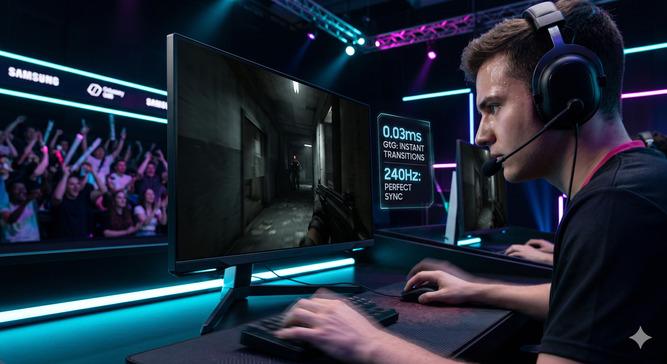
High refresh rates mean nothing if the pixel response times lag behind the frame generation. The Penta Tandem panels maintain the instantaneous 0.03ms (GtG) response times that competitive esports players demand. They eliminate the annoying black crush issues that affected older displays during Variable Refresh Rate shifts. Players receive perfect shadow detail in dark scenes without sacrificing motion tracking.
The hardware keeps up with the latest graphics card outputs without dropping a single frame. Fast camera pans in competitive shooters remain crystal clear and easy to track. Resources like the Blurbusters motion clarity analysis confirm these panels deliver true blur-free performance. You get a massive competitive advantage in fast-paced multiplayer lobbies.
| Display Benefit | Hardware Source | Competitive Impact |
| 0.03ms Response Time | Instant Pixel Transitions | Zero motion blur in fast camera pans |
| Gamma Stability | Improved Low-Gray Processing | Accurate shadow details during VRR shifts |
| High Refresh Rate | 240Hz to 360Hz Processing | Perfectly synchronized frame delivery |
Surface Treatments: DarkArmor Film, Glare Reduction, and Ambient Light Handling
Early generation OLEDs suffered from raised black levels in brightly lit gaming rooms. Direct sunlight caused the screens to look purple or gray instead of pure black. Manufacturers now apply custom surface layers such as the DarkArmor Film to combat this issue. This exact treatment improves pure black levels by 40 percent in sunlit environments.
It upgrades the screen’s surface hardness from 2H to 3H. You get significantly better scratch resistance against accidental bumps or cleaning cloth debris. Your daytime gaming sessions no longer require heavy blackout curtains. The panel looks flawless in a dark basement or a brightly lit apartment living room.
Connectivity Standards: DisplayPort 2.1, USB Delivery, and Multi-Device Setups
Next-generation displays require massive bandwidth to drive 4K resolutions at 240Hz. The new 2026 monitors integrate DisplayPort 2.1 (UHBR20) connections to handle these massive, uncompressed data streams. They feature USB Type-C ports capable of delivering nearly 100 watts of charging output. Users can easily connect their work laptops and gaming desktops simultaneously.
The built-in KVM switches allow seamless peripheral sharing across multiple systems. A single keyboard and mouse combo controls every connected device with the press of a button. This eliminates cable clutter and keeps your high-end gaming desk looking clean. Modern monitors serve as complete docking stations for your entire digital workspace.
Form Factors: Flat Panels, Curvature Options, and Ergonomic Design
The debate between flat and curved screens continues to dominate PC hardware forums. Companies offer the Penta Tandem technology in multiple physical configurations to satisfy different preferences. The 32-inch 4K panels often stick to traditional flat designs for optimal productivity and media consumption. The 34-inch ultrawide models maintain aggressive 800R or 1800R curves to fill your peripheral vision.
Every buyer finds a shape that matches their specific desk layout. Heavy simulator players prefer the tight curve to create a wrap-around cockpit effect. Competitive shooter players lean toward the flat panels to maintain perfect straight lines and aspect ratios. The hardware adapts perfectly to your specific gaming genre preferences.
Thermal Management: Passive Cooling, Graphene Heat Spreaders, and Silent Operation
Driving five light-emitting layers generates thermal output that requires careful mechanical engineering. Manufacturers utilize thick graphene heat spreaders attached directly behind the panel assembly. Custom passive heatsinks replace the high-pitched mechanical fans found in early high-refresh monitors. The hardware stays perfectly cool during 12-hour gaming marathons.
Zero noise emissions keep your gaming environment completely distraction-free. You never hear a whirring fan over your headset audio during quiet in-game moments. Proper cooling guarantees the panel maintains its peak brightness targets without aggressive thermal throttling. High-end hardware runs fast and stays completely silent.
The Investment Justification: Lifespan Extensions, Warranty Coverage, and Desktop Upgrades
Purchasing a premium monitor represents a serious multi-year commitment for most PC builders. The new five-layer structure doubles the theoretical lifespan of the organic materials. Manufacturers confidently offer extended burn-in warranties covering three to five years of heavy usage. You can treat these screens like traditional LCDs without obsessing over hidden UI elements.
This hardware generation permanently solves the oldest complaints from early adopters. Independent labs running RTINGS burn-in lifecycle tests show incredible durability improvements. Spending your budget on a Penta Tandem display guarantees a flawless viewing experience for years. It is the smartest upgrade you can make for your battle station today.