
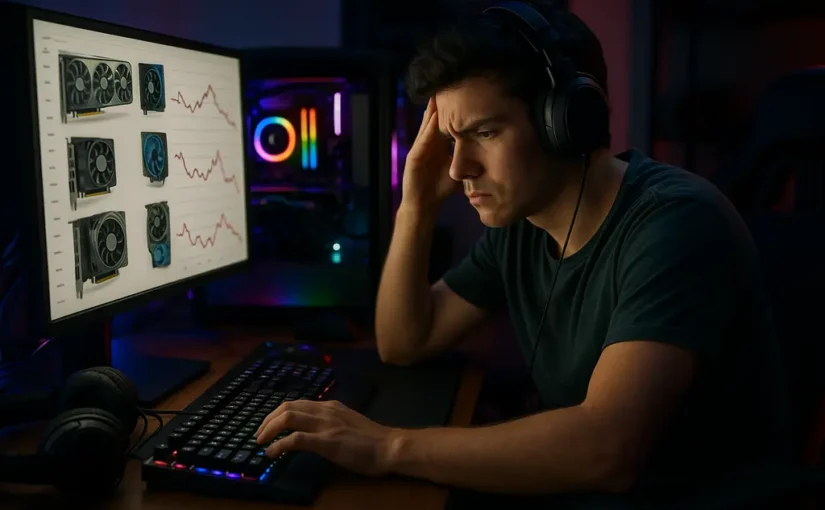
Gaming Hardware Prices rose by 16% in 2026, and the reason is not a simple case of new consoles, fancier GPUs, or retailers testing what players will tolerate. The pressure is tied to memory chips, AI data-center demand, software pricing, and the cost of building hardware in a tighter supply chain. The Guardian described the memory squeeze as “RAMageddon,” linking higher demand from AI infrastructure to rising costs for consumer devices including phones, laptops, MacBooks, and game consoles in its RAMageddon report. For players, that turns a normal upgrade decision into a budget test: buy now, wait, step down a tier, or stretch a system for another year.
The 16% rise matters because gaming hardware is not one product category. It hits console buyers, PC builders, laptop shoppers, handheld users, and anyone trying to replace accessories or software at the same time. A GPU does not live alone in a cart. It sits next to RAM, SSD storage, a power supply, a display, a controller, a headset, and the games or subscriptions that make the box useful. For a broader perspective on gaming and market dynamics, Mostplays offers insights from the games side of the industry.
Why Gaming Hardware Prices Jumped In 2026
Gaming Hardware Prices And The Memory Squeeze
The cleanest explanation is that memory became the shared pressure point across gaming and AI. DRAM, NAND, and other memory-linked costs affect more than desktop RAM kits. They show up in graphics cards, consoles, laptops, handheld PCs, SSDs, and even premium accessories that need onboard storage or firmware-heavy features. AI data centers compete for some of the same supply chain capacity that consumer hardware depends on, so gaming buyers are no longer insulated from enterprise demand.
That is why Gaming Hardware Prices rising by 16% feels different from a typical launch-cycle bump. A console price increase is visible because the box has a fixed identity. A PC price increase is messier because it appears part by part. One week the RAM kit is worse value. Another week the SSD is no longer the easy upgrade. Then a graphics card that looked expensive but reachable moves into a range that forces cuts elsewhere.
Why AI Demand Reaches The Gaming Shelf
AI infrastructure spending does not need to target gaming products directly to change gaming costs. If memory suppliers can sell more output into higher-demand sectors, consumer electronics brands face harder pricing choices. They can absorb costs, raise retail pricing, reduce configurations, delay products, or protect higher-margin models first. None of those outcomes is great for budget gamers.
The software side is also feeling pressure. The Washington Post reported that computer software prices jumped by a record amount over the past year, with AI features appearing in more products, according to its software pricing report. That matters for gaming because the total cost of a setup increasingly includes launchers, subscriptions, cloud saves, capture tools, RGB utilities, security software, creative apps, and driver-side features that ship with more AI branding than before.
How The 16% Increase Hits Different Players
Console Buyers Feel The Sticker Shock First
Console buyers notice price movement quickly because there are fewer ways to rebalance the purchase. If a PlayStation or Xbox system rises, a player cannot simply swap the motherboard, pick a smaller case, or downgrade the cooler. The research notes Sony raising PlayStation 5 pricing by $100 in March 2026, citing memory-chip costs linked to the AI boom and geopolitical tensions. That kind of increase changes the console value pitch, especially for families, students, and players who waited for a cheaper mid-cycle entry point.
A higher console price also changes the software attach decision. A buyer who spends more on the machine may delay a second controller, skip a premium headset, wait for game discounts, or avoid higher subscription tiers. The hit is not only at checkout. It changes how people participate in a platform after purchase.
PC Gamers Have More Control, But More Trade-Offs
PC builders have more flexibility, but flexibility is not the same as relief. A gamer can swap a GPU tier, reuse a case, carry over storage, or delay a monitor upgrade. That makes the PC market more adaptable than consoles, yet it also puts more planning pressure on the buyer. A 16% swing can turn a balanced 1440p build into a system full of compromises.
This is where Gaming Hardware Prices become a full-system problem. If a graphics card costs more than expected, the weaker move is cutting the power supply, cooling, or case airflow to protect the GPU budget. Those parts affect noise, stability, future upgrades, and long-term comfort. Our related analysis of the 2026 memory crisis makes the same point from the RAM, SSD, and GPU timing angle: the cheap part of the build is no longer always cheap.
What Gamers Should Avoid Cutting First
Do Not Turn A Price Rise Into A Bad Platform
The natural reaction to higher prices is to protect the most exciting part of the build. For many players, that means keeping the GPU target and shaving money from everything else. That can backfire. A weak power supply can limit the next GPU upgrade. A low-airflow case can make an expensive card louder. A tiny SSD can make modern installs painful. A monitor that does not match the GPU can waste money in the other direction.
A better buying order starts with the screen target, then the games, then the GPU class, then the support parts. A 1080p esports player does not need the same budget plan as someone chasing high settings on a 4K display. A controller-first console player does not need the same accessory spend as a streamer with capture gear, lighting, and a high-refresh monitor.
- Protect the power supply and case: These parts can outlast several GPU cycles if chosen sensibly.
- Keep enough storage: Game installs are large enough that a cramped SSD becomes a daily annoyance.
- Match the monitor to the GPU: Do not overspend on one while starving the other.
- Price the full setup: Include controller, headset, subscription, software, and storage costs before deciding the platform is affordable.
Used And Delayed Upgrades Need Clear Rules
Used hardware becomes more tempting during a price spike, but it needs discipline. Buyers should check warranty status, seller history, photos, return policies, and whether the used price is genuinely below current new-stock pricing. A used GPU that saves little money but carries more risk is not a smart answer to inflation.
Waiting can work too, but it is no longer the automatic safe play. If memory pressure keeps rising, later stock may not be cheaper. If demand cools or brands discount aging models, waiting may pay off. The practical answer is to set a ceiling price before shopping and act only if a product meets the performance target, warranty comfort, and total build budget.
Why This Price Surge Changes Upgrade Timing
The Old Upgrade Calendar Is Less Reliable
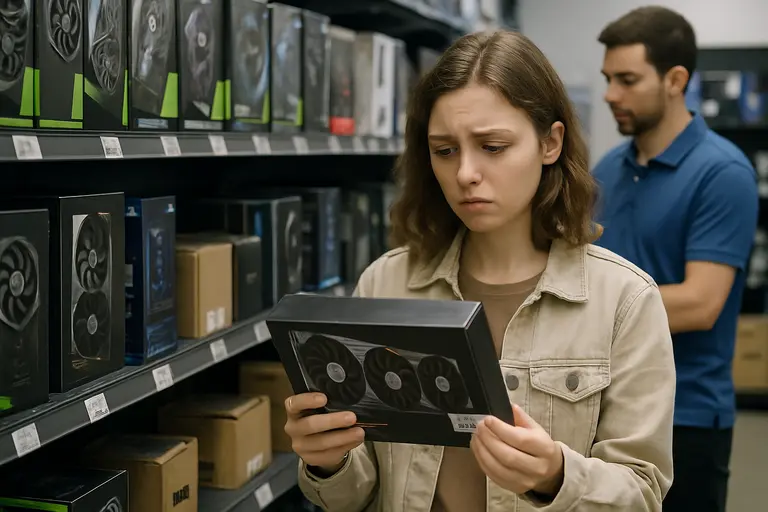
Gamers used to plan around familiar rhythms: new GPU launches, console refreshes, back-to-school laptop deals, holiday bundles, and post-launch discounts. In 2026, those patterns are less dependable because supply-chain pressure can override normal seasonal behavior. A holiday sale does not help much if the starting price is already higher and stock is thin.
The research also points to weak consumer response, with hardware sales hitting 30-year lows in the U.S. in November 2025 and the average price of new hardware reaching an all-time high of $439. That suggests many players are not simply accepting higher costs. They are delaying purchases, buying fewer extras, or making older systems last longer.
Future hardware may not ease that concern quickly. The research notes analyst expectations that a future PlayStation 6 could retail at $1,000 or more if component costs and shortages remain severe. That is not a confirmed launch price, so it should be treated as a warning signal rather than a fact about Sony’s next console. Still, it shows how far the conversation has moved from the old assumption that consoles always reset value in favor of the player.
Gaming Hardware Prices And The 2026 Upgrade Choice
Buyers Need A Budget Plan, Not Panic
Gaming Hardware Prices climbing by 16% does not mean every gamer should rush to buy parts today. It means old price expectations need to be checked against current reality. If a system still runs the games you play, stretching it may be the most sensible move. If a GPU, console, or laptop is already failing your needs, waiting for a perfect market could be just as risky as buying into a bad one.
For PC players, the smartest move is to price the whole build before choosing the hero component. For console players, the key is to include subscriptions, storage, controllers, and game pricing in the real cost of ownership. For families and younger players, higher entry prices may push more time toward free-to-play games, older libraries, used discs, sales, and shared systems.
The 2026 price surge is not only a parts story. It is a player-access story. More expensive hardware changes who upgrades, who waits, and which platforms feel affordable. The best response is not brand loyalty or panic shopping. It is clear limits, honest performance targets, and a willingness to skip an upgrade that no longer fits the budget.