

GPU price increases have turned the 2026 graphics-card upgrade from a simple parts-list decision into a timing call. As of August 24, 2026, the pressure is not theoretical for U.S. buyers: Nvidia’s RTX 50-series cards saw sharp median price movement on Newegg in August 2026, with the RTX 5070 up about 36% and the RTX 5060 up about 27% versus June 2026, according to Tom’s Hardware. That does not mean every card at every store moved by the same amount, but it does show why gamers need to shop by actual shelf price rather than memory of launch pricing.
The buyer problem is simple: the GPU still sets the tone for a gaming PC, but it can now swallow money that was meant for a better monitor, larger SSD, quieter case, stronger PSU, or CPU platform. For broader hardware cost context, our related look at gaming hardware prices in 2026 tracks the same pressure across more of the build. If you are interested in related gaming culture or broader PC coverage, Hexiled Gaming offers insights in the same network.
Why GPU Price Increases Hit 2026 Builds
These GPU price increases hurt because they hit the part most gamers plan around first. A player targeting 1080p esports, 1440p single-player games, or 4K display use will often pick the graphics card before anything else. Once that target card moves up in price, the rest of the build either gets cut down or delayed.
GPU Price Increases And VRAM Choices
VRAM is one of the key pressure points. Tom’s Hardware reported that the RTX 5060 Ti 16GB had the worst inflation in its RTX 50-series sample, rising about 39% over a similar span. That matters because higher-VRAM cards are often the ones buyers consider for longer ownership, 1440p textures, creator-adjacent use, and less frequent upgrades. The awkward part is that stepping down in VRAM can save money, but it may also shorten the useful life of the card for some players. There is no safe blanket rule here; the right answer depends on resolution, games, settings habits, and how long you keep hardware.
U.S. Buyers Face More Pressure Than The Global Average
TechSpot’s Q2 2026 pricing analysis said GPU prices were about 6% above MSRP globally, while the United States sat around 22% above MSRP on average at that point, based on its market data TechSpot reported. That regional gap is why advice from another market may not map cleanly to a U.S. checkout page. A card that looks reasonable in one country can be poor value in another after stock, tariffs, retailer margins, and local demand are included.
How To Set A Real GPU Budget
The first tactic is to stop budgeting from MSRP alone. MSRP is useful as a reference point, but the 2026 market has made it less useful as a buying target. Build your budget from actual sale prices across several retailers, then decide the maximum price you are willing to pay for each GPU tier. If the card crosses that ceiling, it is not your card right now.
That sounds strict, but it protects the rest of the PC. A buyer who stretches too far for a graphics card may end up cutting the power supply, case airflow, storage, or monitor. Those cuts can make a system louder, less flexible, or more annoying to use day to day. A strong midrange build with balanced parts can be a better buy than a flashy GPU paired with weak support hardware.
Before shopping, write down three numbers: the price you hoped to pay, the highest price you can defend, and the fallback price for a lower-tier card. This keeps the decision practical when a limited listing appears or a retailer shows a “sale” that is still inflated against recent real prices.
| Buyer Type | Main Risk In 2026 | Practical Move |
|---|---|---|
| 1080p esports player | Overbuying for games that do not need a premium card | Price lower tiers against your monitor refresh target |
| 1440p player | Paying too much for the middle of the stack | Compare VRAM, warranty, and actual retailer pricing |
| 4K player | High-end cards pulling the whole build upward | Consider whether 1440p now is the smarter spend |
| Upgrade-only buyer | Ignoring PSU, case clearance, and platform age | Check the whole system before buying the card |
Smart Ways To Buy Without Panic
For shoppers dealing with GPU price increases, the worst move is panic-buying the first card that appears close to the old price. The second-worst move is waiting with no plan. A better path is to treat buying as a short list of controlled options.
- Check open-box and refurbished listings carefully. These can be useful, but only if the return window, warranty terms, accessories, and condition are clear.
- Call local stores when the online price looks bad. Local inventory, returns, and clearance units may not always show up cleanly in web search results.
- Compare recent sale prices, not inflated “was” prices. Retail reference prices can make weak deals look better than they are.
- Keep older generations in the comparison. A previous-generation card can make sense if the discount is real and the feature tradeoff is acceptable.
- Delay if your current GPU still meets your games. Waiting is not guaranteed to save money, but buying before you need to can be worse.
Used cards deserve extra care. They can help a tight budget, but buyers should inspect seller history, return options, model condition, and whether the card was opened or modified. Avoid assuming that a used GPU is a bargain just because the new version is expensive. The used price still has to make sense against current new, open-box, and previous-generation options.
When Waiting Makes Sense
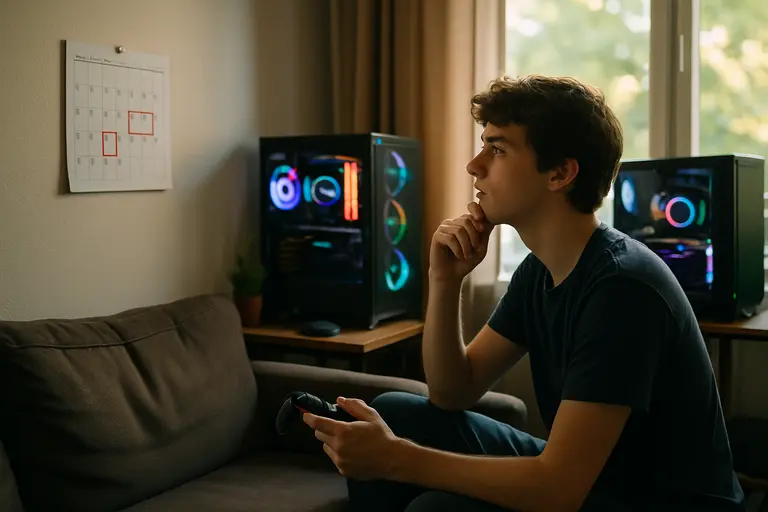
Waiting is no longer the easy answer, but it still has a place. If your current GPU runs the games you actually play at acceptable settings, delaying the upgrade can protect your budget. This is especially true if your planned build includes other expensive parts, such as a new display or full platform change.
Serviceable Cards Deserve More Time
A serviceable graphics card is worth more in 2026 because it gives you choice. You can watch retailer pricing for a few weeks, compare open-box stock, or buy the rest of the platform first. That does not guarantee a lower price later, but it keeps you from paying a bad price out of frustration.
Urgent Builds Need Clear Tradeoffs
If the old card failed or a new PC is needed now, waiting may not be practical. In that case, choose the display target first. A 1080p system should not be priced like a 4K system. A 1440p build should not sacrifice every other part just to reach one GPU tier higher. The goal is not to find a perfect deal; it is to avoid turning one inflated component into a weak full build.
Cloud Gaming And Other Stopgaps
Cloud gaming and GPU rental-style services can be temporary options for players priced out of high-end cards, but they are not direct replacements for owning hardware. They depend on connection quality, service availability, library support, input latency tolerance, and subscription cost. For some players, that is acceptable for a few months. For competitive players or mod-heavy PC users, it may feel too limited.
Another stopgap is upgrading around the GPU. A faster SSD, cleaner Windows install, better airflow, quieter case fans, or monitor adjustment will not create a new graphics card, but it can make an existing PC feel less tired. Be careful here: do not spend so much on side upgrades that the eventual GPU budget disappears. The point is to improve the system without pretending those parts replace graphics performance.
GPU Price Increases Buying Plan For 2026
The practical 2026 plan is to buy by need, not fear. Start with your monitor resolution, list the games you actually play, check current retailer pricing, and set a hard ceiling before opening your cart. If the target card is above that ceiling, compare a lower tier, a previous generation, or an open-box unit with clear warranty coverage.
GPU price increases are real enough to change upgrade timing, especially in the United States, but they do not make every purchase wrong. A needed upgrade at a fair current price can still be sensible. A rushed buy above your ceiling is harder to defend. Keep the build balanced, protect your return options, and remember that the best gaming PC for 2026 is the one that fits your games, display, and budget without letting one overpriced part distort the whole setup.