
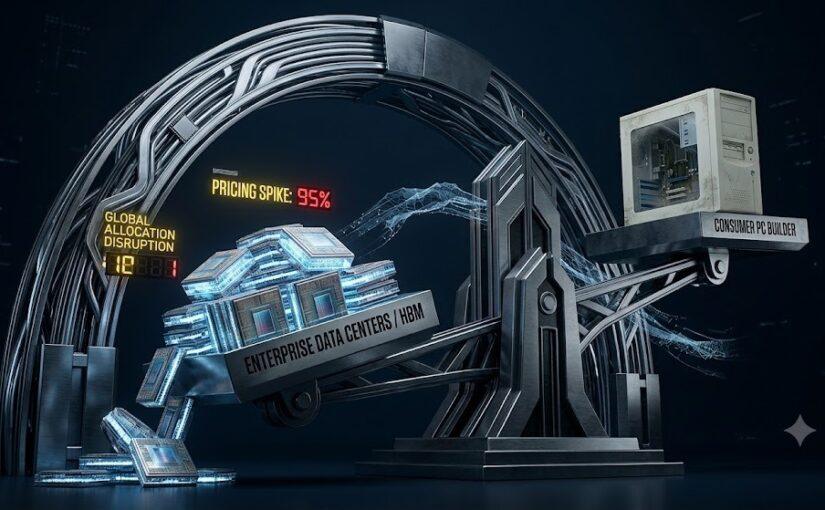
PC builders assembled systems at record-low costs two years ago, selecting high-capacity storage modules and premium memory kits without a second thought. Retail shelves sat packed with affordable hardware components. Today, that consumer environment has vanished completely. The price of desktop memory and solid-state drives has climbed to historical highs, forcing system builders to rethink assembly budgets or downgrade performance targets.
This pricing shift stems from structural changes in how global silicon production factories operate. The components keeping retail systems running now share manufacturing space with enterprise infrastructure parts. For anyone tracking component market trends, the current pricing trend presents a stark reminder of how fragile retail component supply chains can be.
The Massive Production Shift to High-Bandwidth Memory

The primary catalyst for the current component pricing spike originates inside cleanrooms run by major semiconductor fabrication firms. Desktop system hardware relies heavily on standard dynamic random-access memory (DRAM) allocations. The emergence of next-generation corporate server infrastructure altered factory focus. High-Bandwidth Memory (HBM) modules represent the core components needed to run modern data center logic arrays.
Manufacturing HBM components consumes a disproportionate share of raw silicon production capacity. These components require specialized packaging techniques, using vertically stacked silicon dies interconnected with advanced silicon vias. A factory cleanroom building HBM components yields significantly fewer total wafers compared to standard DDR4 or DDR5 fabrication runs. This shift left consumer product channels depleted of normal retail allocations.
Major silicon manufacturers reduced their raw output allocations targeting standard desktop configurations. The three primary manufacturers overseeing global memory production shifted priority metrics to maximize high-margin corporate server supply. This strategic factory redirection created an immediate deficit in the consumer retail market, setting off a cascading shortage that shows no signs of clearing before late next year.
Lawsuits and Anti-Trust Friction in the Memory Market
Frustration surrounding the continuous increase in component pricing reached a legal boiling point in late June 2026. A comprehensive anti-trust civil action landed in the United States District Court for the Northern District of California under case designation 3:26-cv-06345. Consumers filed a federal class-action lawsuit naming the three dominant global memory suppliers as defendants: Samsung Electronics, SK Hynix, and Micron Technology.
Historical context adds weight to these legal claims, as the Department of Justice penalized several semiconductor firms for similar collusive pricing activities two decades ago. Tech journalists tracking the case note that these specific memory price fixing allegations echo historical industry cartels that resulted in millions in criminal fines. This ongoing litigation highlights how vulnerable consumer system builders remain when a handful of manufacturing entities control the global silicon supply chain.
Historical context adds weight to these legal claims, as the Department of Justice penalized several semiconductor firms for similar collusive pricing activities two decades ago. This ongoing litigation highlights how vulnerable consumer system builders remain when a handful of manufacturing entities control the global silicon supply chain. The tech sector continues to watch these legal proceedings closely as retail prices remain highly unstable.
Analyzing the Quarter-Over-Quarter Market Data

Statistical tracking data from industrial supply research groups validates the financial pressure felt by consumer tech purchasers. Market intelligence reports reveal unprecedented pricing movements across all major consumer storage and memory sectors. Contract procurement prices paid by hardware distributors climbed dramatically throughout the first half of this year.
A direct look at production sector revenue reveals how rapidly industrial buyers accepted these price adjustments to secure inventory allocations. Standard procurement prices for base memory components spiked nearly 95 percent in the early months of the year. This represents the steepest single-quarter increase documented since tracking began.
| Memory Component Category | Q1 2026 Price Trend | Q2 2026 Projected Trend | Primary Allocation Driver |
| Conventional Desktop DRAM | +90% to +95% | +58% to +63% | Enterprise HBM Reallocation |
| NAND Flash Silicon Wafers | +55% to +60% | +70% to +75% | Enterprise SSD Deployment |
| Mobile LPDDR5x Modules | +90% | +45% to +50% | Embedded Mobile Device Demand |
The upward momentum extended directly into the second quarter of the year. Data shows procurement costs climbing an additional 60 percent for consumer desktop memory modules. Silicon fabrication firms are relying on existing factory manufacturing process adjustments to slightly alter bit output rather than constructing entirely new production plants. Building new cleanroom facilities requires immense capital funding and several years of construction time, meaning immediate relief cannot clear the current supply block.
Solid State Storage Suffers Similar Allocation Pressures
The financial strain hitting system builders is not limited to system memory kits. Solid-state drive storage pricing relies heavily on the steady production of NAND flash memory wafers. The market pressures altering memory production lines hit NAND fabrication facilities with equal force. Large enterprise network operators are buying up high-density solid-state storage to reinforce massive server arrays.
Firms specializing in data storage tracking observed that non-volatile memory storage pricing remains under immense pressure. Production facilities shifted standard factory space toward manufacturing high-capacity enterprise solid-state drives, leaving consumer retail inventory channels thin. The consumer solid-state drive market has faced shrinking retail choices as a direct outcome of this corporate buying pattern.
System builders can study the technical aspects of this storage shift inside our detailed buying gaming storage frameworks to understand how component layouts alter pricing. Preemptive parts procurement by device manufacturers has further depleted existing retail storage inventory. Retail solid-state drive pricing trends are mirroring the climbing costs seen on the memory side, leaving system builders with few affordable options.
Financial Impact on Original Equipment Manufacturers
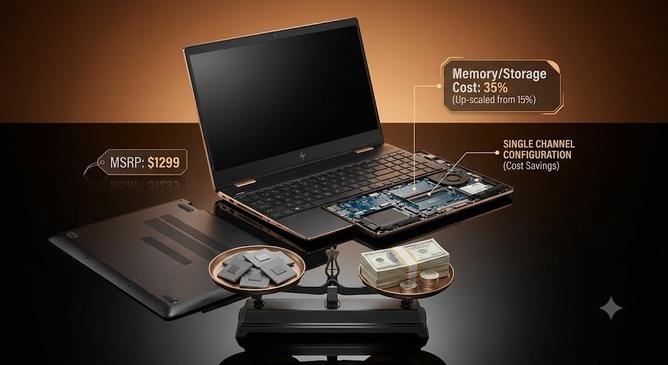
The broader personal computer manufacturing ecosystem is shifting production plans to cope with high component procurement costs. Major global hardware developers like HP, Dell, and Lenovo confirmed that memory and storage components represent an unprecedented portion of total system construction expenses. Internal tracking points to memory modules making up 35 percent of the total cost to build a standard personal computer, climbing from roughly 15 percent late last year, according to recent DRAM market analysis by TrendForce.
Computer brands are adopting new manufacturing strategies to protect profit margins without pushing shelf prices past consumer limits. System builders are discovering retail desktops configured with smaller default storage drives out of the box. Some laptops now ship with single-channel, non-upgradable memory configurations to limit total component expenditures.
Financial market evaluations indicate that the pricing pressure will continue through the remaining months of the year. Financial research groups predict consumer memory pricing will climb another 40 percent before the end of the year, with stabilization unlikely to occur before late 2027. Consumer hardware purchasing choices have transformed from simple preference selections into careful budget management actions.
Action Plan for Desktop Builders and Upgraders
Navigating a component hardware market defined by severe structural shortages requires a careful procurement strategy. System builders planning a system refresh face distinct choices regarding component selection timing. Acquiring existing retail inventory immediately remains a practical path for builders who cannot delay system assembly deadlines. Waiting for market correction cycles risks exposure to the next round of predicted end-of-year pricing spikes.
Opting for older component standards represents an alternative approach for budget-focused builds. DDR4 memory platforms remain widely available on secondary hardware exchanges, offering stable system performance without the premium costs tied to current-generation DDR5 silicon wafers. Choosing a smaller primary storage drive paired with standard external backup units helps keep system build configurations within reasonable budget caps.
Silicon production patterns will dictate consumer desktop assembly costs for several hardware generations. Forcing consumer systems to compete directly against enterprise server operations for factory space has altered the custom computer market indefinitely. System builders must build system budgets around these high base costs, calculating component choices with direct attention to manufacturing metrics.