
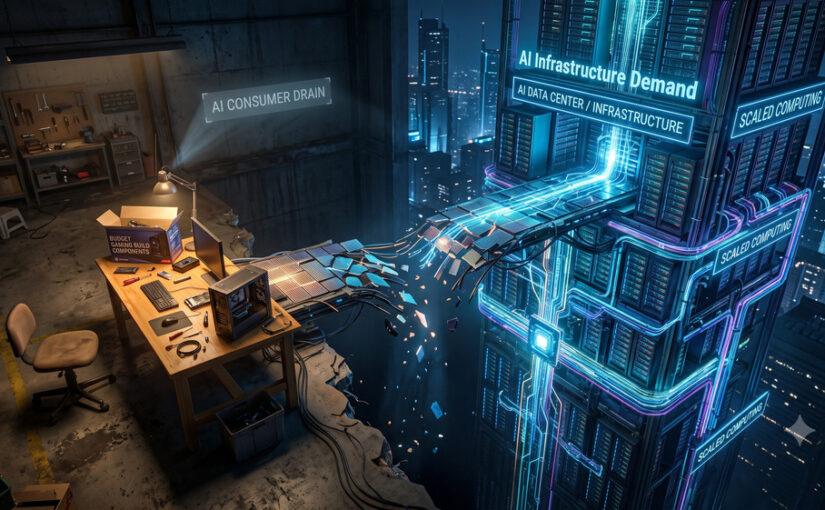
The Devastating Drop in Consumer Hardware Shipments
System builders felt the pressure building over the last few months, and fresh data finally confirms the severity of the situation. Market research firm Omdia released its Q1 2026 findings on July 1, reporting that United States personal computer shipments plummeted by 7 percent year-over-year. The market only moved 15.8 million units during the opening quarter, marking the sharpest contraction recorded since the third quarter of 2023. This is not a simple dip in buyer interest. The data points directly to a severe component supply crisis driven by shifting manufacturing priorities.
The entry-level market took the heaviest damage. Omdia reports that shipments of computers priced under $500 collapsed by a massive 18.7 percent. The budget gaming sector relies entirely on affordable memory and storage modules to keep system costs low. Those components are now disappearing from retail channels. Silicon fabrication plants are prioritizing highly profitable enterprise contracts over standard consumer hardware.
This shift leaves system builders facing an increasingly hostile pricing environment. The days of throwing together a capable 1080p gaming rig for a few hundred dollars seem to be ending. Parts availability continues to shrink, forcing buyers to make difficult compromises or abandon planned upgrades entirely.
AI Server Demand Drains Retail Supply Chains
The root cause of this hardware drought traces back to the massive growth of artificial intelligence infrastructure. Corporate data centers require immense amounts of specialized hardware to run complex AI models. These server farms depend heavily on dynamic random-access memory and high-capacity solid-state storage.
Silicon manufacturers recognized this highly lucrative market segment and quickly diverted their production lines to meet massive enterprise demands. The available supply of standard consumer components shrank drastically as a direct result. Factory output that previously stocked retail shelves with affordable desktop parts now flows directly into massive corporate server deployments. The Omdia market analysis highlights how this exact dynamic is stripping away the vendor margins needed to sustain entry-level hardware. The cost of raw silicon wafers climbed significantly throughout the spring, creating a chain reaction that hit consumer brands hardest.
Vendors simply cannot maintain low price points when their base material costs double in a single quarter. System assemblers are passing these increased costs directly to the end-user. Scott Braverman, Senior Analyst at Omdia, noted that the impact of these component supply constraints fully materialized in the US market early this year. The consumer segment dropped 9.5 percent overall. Individual buyers stepped away from the checkout screen as final cart totals climbed past their comfortable budgets.
Market Share Shifts Among Major Hardware Brands
The chaotic pricing environment caused a significant restructuring at the top of the manufacturer hierarchy. The ability to secure reliable component supply chains separated the successful brands from those losing ground. Companies lacking deep procurement leverage struggled to keep their prebuilt systems affordable.
Dell pushed through the turbulence to capture the lead position in the United States market, securing a 25 percent share. The company managed a slight 1.1 percent growth in the face of the overall industry contraction. Lenovo followed a similar path, posting growth to claim 20 percent of the market. HP suffered the steepest drop among major providers, facing a severe 21.6 percent decline that knocked it out of the top spot.
This restructuring reflects how aggressive corporate maneuvering dictates retail availability. Brands with the capital to absorb early memory price hikes maintained their stock levels. Smaller vendors faced an entirely different reality, experiencing a collective 13.1 percent decline. Buyers looking for budget-friendly prebuilt systems from independent assemblers will find fewer options available. High-end rigs remain largely untouched by these constraints, yet the entry-level sector is slowly vanishing.
The Escalating Cost of System Assembly
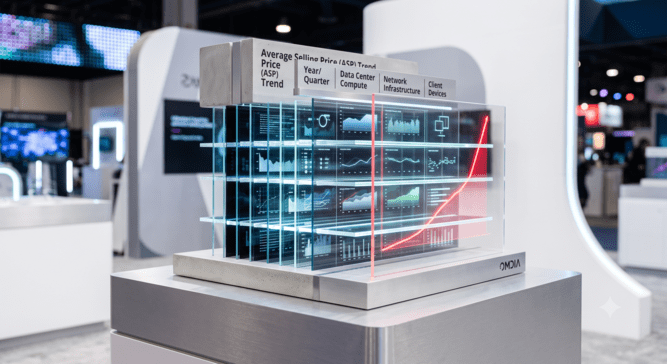
The financial burden on the individual PC builder is compounding at an alarming rate. The shortage of base components created an immediate spike in average selling prices across the industry. Omdia data shows a 4 percent year-over-year increase during the first quarter of 2026. This initial bump represents just the beginning of a much larger pricing surge. Factory cleanrooms require years to construct, meaning new silicon output will not arrive in time to save holiday build budgets.
Analysts expect price growth to hit 12 percent by the second quarter and remain above that threshold through the rest of the year. The situation looks grim for anyone planning to build a new system from scratch. Kieren Jessop, Research Manager at Omdia, confirmed that severe supply-side headwinds will continue to materialize. Consumers holding off on a purchase, hoping for a quick market correction, will likely face even steeper costs by late 2026.
| Quarterly Timeline | Average Selling Price Trend | Primary Market Driver |
| Q1 2026 | +4% YoY | Initial DRAM/NAND Shortages |
| Q2 2026 (Projected) | +12% YoY | Enterprise Server Reallocation |
| Q3/Q4 2026 (Projected) | >12% YoY | Sustained Supply Chain Deficits |
These escalating costs fundamentally alter how players must approach their hardware setups. Selecting the right base platform is now a high-stakes financial decision. Future-proofing a build requires careful component matching to avoid early obsolescence and wasted funds. Reviewing current guides for the best gaming motherboards can help buyers maximize the lifespan of their expensive new memory kits.
Strategic Buying Advice for The Rest of 2026
The immediate forecast offers very little relief for the budget-conscious gamer. Omdia predicts full-year US PC shipments will decline by 14.4 percent compared to 2025, largely driven by these persistent cost barriers. Entry-level prices will remain highly elevated through 2027.
Waiting for next-generation hardware to launch later this year carries significant financial risk. The cost of raw silicon will likely push the retail price of new product tiers far beyond historical norms. The smart play involves securing existing inventory before the projected double-digit price hikes take effect.
Pre-emptive purchasing remains a valid tactic for those with immediate hardware needs. Market observers tracking global shipment trends noted a brief wave of strategic buying earlier in the year as consumers tried to outrun the memory pricing wave. Exploring secondary markets for older DDR4 components presents another viable path for builders completely priced out of the current-generation hardware ecosystem.
The enterprise sector’s insatiable appetite for artificial intelligence computing resources completely reshaped the retail market. The era of cheap, high-capacity memory and storage is over for the foreseeable future. System assembly is now a strict exercise in financial planning and precise component selection.