

The esports industry runs on massive sponsorship deals. In 2026, tournament organizers face a giant headache with regional betting laws. A brand sponsoring a top-tier Counter-Strike 2 roster might operate legally in Ohio but face a total ban in other states. Viewers in closed markets watch these sponsored streams but hit digital walls when they try to participate. Strict local laws block fans in the Aloha State from using the fantasy apps plastered across the broadcast. This leaves them constantly asking When can i bet on sports in Hawaii. This fractured legal map forces teams and broadcasters to change how they make money.
Dynamic Ad Tech Saves Broadcasts
To solve this legal puzzle, tournament organizers rely on smart broadcast software. Production teams use dynamic digital overlays during live matches. If you watch a tournament from New Jersey, you might see a sportsbook logo painted directly onto the virtual arena floor. A viewer watching that exact same match from California sees a local energy drink brand instead. This gaming technology allows broadcasters to sell the same ad space multiple times and avoid massive legal fines. The software reads the viewer IP address and swaps the digital banners instantly. Fans track these shifting regulations on the ESPN sports betting tracker to see exactly which markets allow these massive esports partnerships.
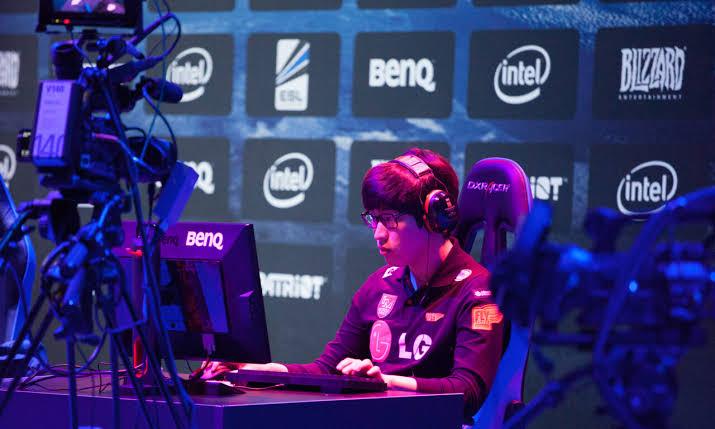
Teams Build Regional Partnerships
The days of slapping one global sponsor on a jersey are ending. Esports organizations now sign regional deals to maximize their revenue. A team might wear jerseys featuring a crypto casino during European matches, but switch to shirts promoting a hardware manufacturer when they land in the United States. This forces marketing departments to work overtime.
We see a massive divide between regulated and closed markets. Brands want access to the highly engaged esports audience. They refuse to pay for viewers who cannot legally use their products.
| Market Type | Sponsorship Strategy | Viewer Experience |
| Fully Regulated | Direct integration and live odds on screen | Sees primary betting sponsors |
| Closed/Restricted | Hardware or food and beverage sponsors | Sees alternative regional ads |
| International | Global crypto and digital casino brands | Sees unfiltered global sponsors |
Picking the Perfect Tournament City
These local laws directly affect where major events happen. Tournament organizers look closely at regional legislation before booking arenas. Cities like Las Vegas and Atlanta attract massive tournaments. Their local laws allow organizers to display their most lucrative sponsors inside the venue. If an organizer brings a major event to a strict state, they lose out on millions of dollars in live advertising revenue. Staying updated on these massive business moves requires fans to read the latest industry news
Teams simply cannot afford to ignore these geographic boundaries. The biggest organizations employ entire legal teams just to review sponsorship contracts and check they comply with local broadcasting rules. More states continue adjusting their digital gambling laws. The money flowing into competitive gaming shifts right alongside them. You can read more about how major organizations structure these complex deals by checking the Esports Insider business reports
The current legal map forces everyone to adapt quickly. Broadcasters use smarter software, teams print multiple jersey designs, and organizers pick host cities based on local legislation. The companies figuring out how to balance these shifting rules hold the advantage in competitive gaming through 2026 and beyond.